
When it comes to lawns, I’m generally not a big fan. I don’t like mowing it, I don’t like spending money on fertilizer, and in general, lawns don’t really provide much benefit for wildlife. Yet I can appreciate a well kept lawn (which mine is admittedly not), and I think everyone, lawn fans and enemies would agree that crabgrass in a lawn is hideous.
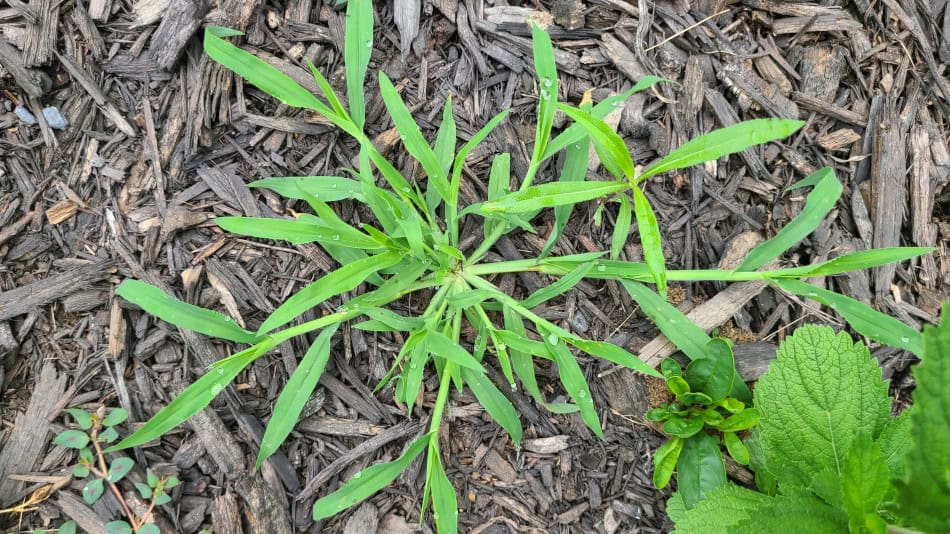
Just what is ‘crabgrass’?
Crabgrass – the scourge of lawns, flower beds, and gardens alike….is an invasive plant. Originally native to Eurasia, scientifically known as Digitaria sanguinalis or Digitaria ischaemumm, it begins germinating once soil temperatures rise above 55F. It is an annual grass, meaning it will live for one growing season, setting seed as it can, and then die at the first hard frost. As it grows it forms a clump that when viewed from above resembles a crab, hence it’s common name. If allowed to run amok (and it will), it can make your yard look atrocious and crowd out just about every other plant, even the fescue that so many people love.
Crabgrass is drought tolerant, heat tolerant, and can basically grow anywhere. But while our lawn grass will persist throughout winter, the crabgrass will not. It will die and decompose, leaving bare soil.
How crabgrass spreads
Crabgrass spreads via seed and stolon, which are above ground stems that branch out from the mother plant and put down roots on patches of bare soil, effectively cloning itself. This is the trouble with this plant, it’s seed will germinate as long as it has contact with sunlight, soil, and moisture. So, throughout a growing season, if you cut your lawn too short, or some of your lawn goes dormant due to drought, the result may be sunlight hitting crabgrass seed. And as long as it can ‘see’ the light, it will grow and form a clump.
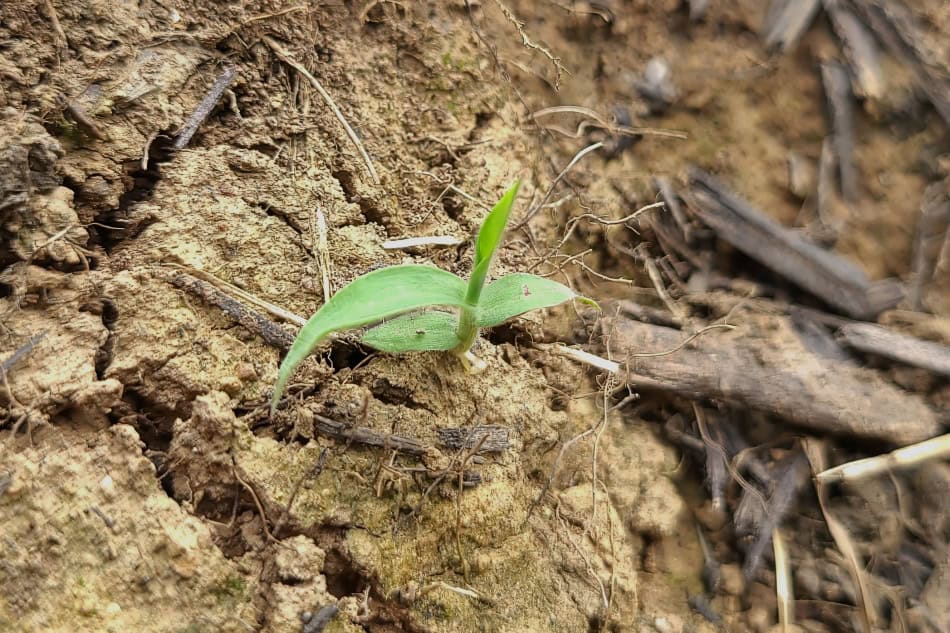
Spreading via stolon
But it isn’t done at the clump stage – oh no it is not. It will start sending out runners (known as stolons) the find other open spots. Upon which it will throw down roots in a new area, and form a new clump. As this happens, it will begin to shade out your regular grass and fescue. This will happen slowly at first, and you will go about your life not noticing the damage until one day you will realize that half of your yard is now crabgrass.
But also, don’t forget the seed! Crabgrass plants will produce hundreds of thousands of seeds that will now be in your yard, just waiting for their turn to germinate and start the process over. So now, you’ve got next years seed crop planted, so there’s that!
Crabgrass in winter
If you live in a colder region, then you may not consider what happens during the winter months. But all that crabgrass? Well, it’s going to die and decompose, leaving bare spots. So, in your lawn, you will have large areas that are just bare. These will look like crap, and when it rains it will get muddy. If you have a dog, then you know what happens next! The dog tracks in mud into your house.
But those bare spots? Well, those are areas where winter weeds like Hairy Bittercress can germinate. But even if you don’t know that annoying & prolific weed yet, know that those bare spots will be perfect places for dandelions, clover, sorrel, or just about any other common weed can germinate.
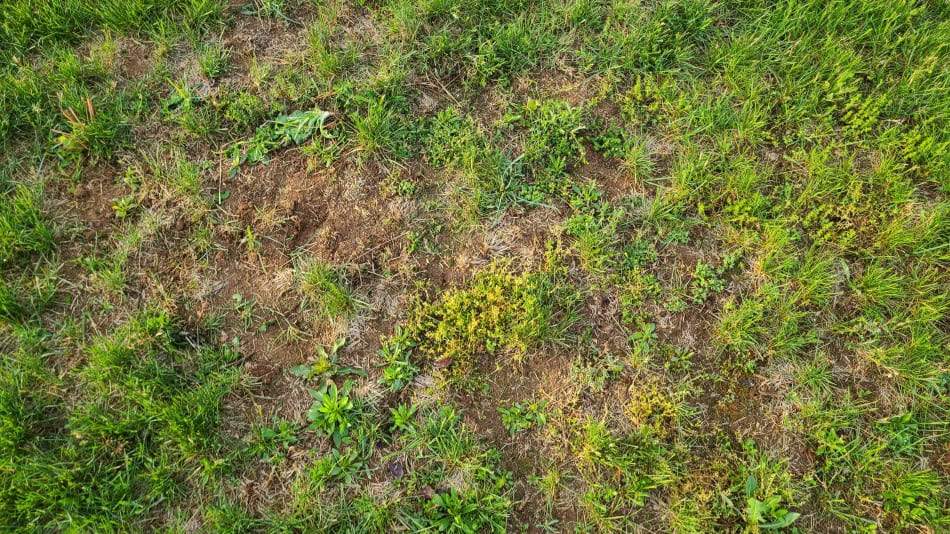
The above image is my lawn, today, 02MAY2026. This area had a lot of crabgrass the previous year, which I didn’t do enough about. As such, I have a large bare area in my yard. Now, my family does play on the yard, and the dog runs around it too – but this area is much worse than the rest of my yard in Spring. Primarily this is because of all the crabgrass that has long since died and left voids of bare soil, which other weeds will happily colonize. I’m sure you’ve heard the phrase “nature abhors a vacuum”. Well, here it is in action!
Find more gardening tips here
Recent Posts
October 6th, 2026 Do you ever feel overwhelmed by the amount of chores that come with gardening? Ever miss a planting window because you forgot? Are you a total beginner at gardening and don't...
Wrinkle-leaf Goldenrod is a herbaceous perennial flower native to Eastern North America[1]. Scientifically known as Solidago rugosa, it can grow up to 5' tall by 3' wide in full sun and moist to...