
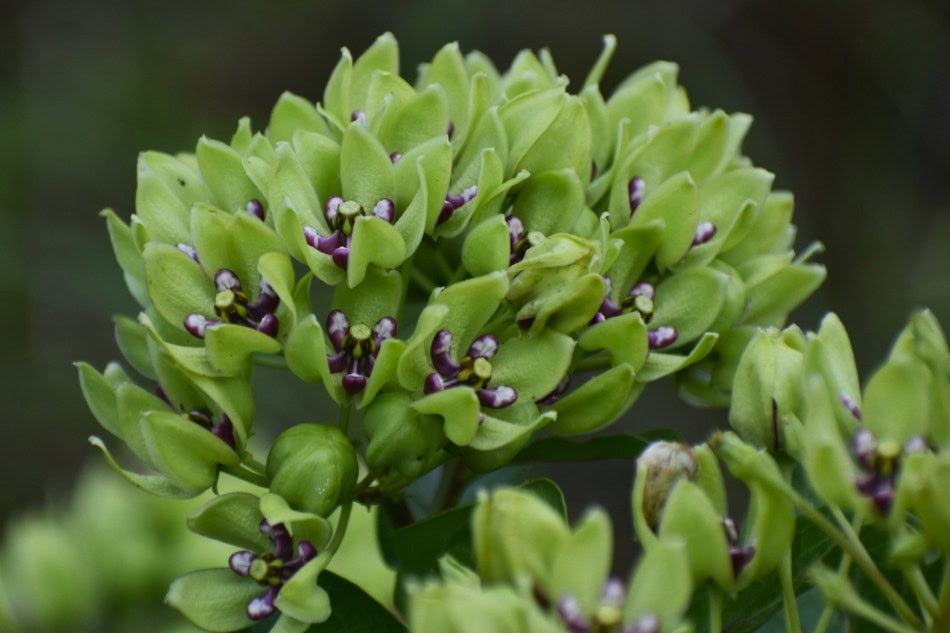
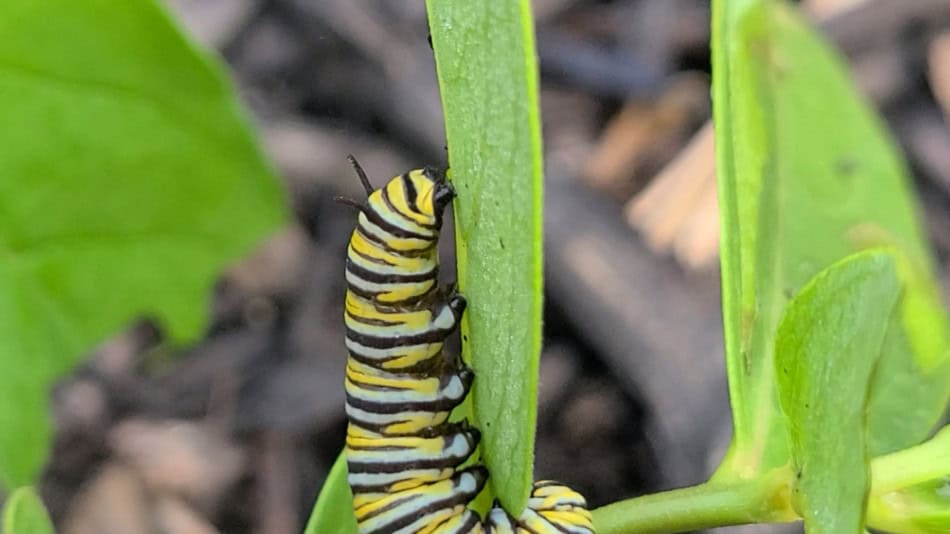
Green Milkweed is a herbaceous wildflower native to North America[1], and is a host plant for caterpillars of the Monarch Butterfly[2]. Scientifically known as Asclepias viridis, it grows up to 2-1/2′ tall in full sun and well draining soil[3]. Also known as Spider Milkweed, it’s green flowers attract many pollinators[4], and will bloom for up to four weeks in summer, eventually being replaced by large seed pods.
When people discuss milkweed, they often focus on the most common types like Showy Milkweed ( or Common Milkweed). But an often overlooked species is known as Green Milkweed, which although primarily native to the southern portion of the United States, it can tolerate colder zones (hardy to zone 5). Look, green flowers are not common. But this one is conspicuous and strange enough to interest even the least botanically inclined of persons. Still though, those with the most ornate gardens may not wish to add it.
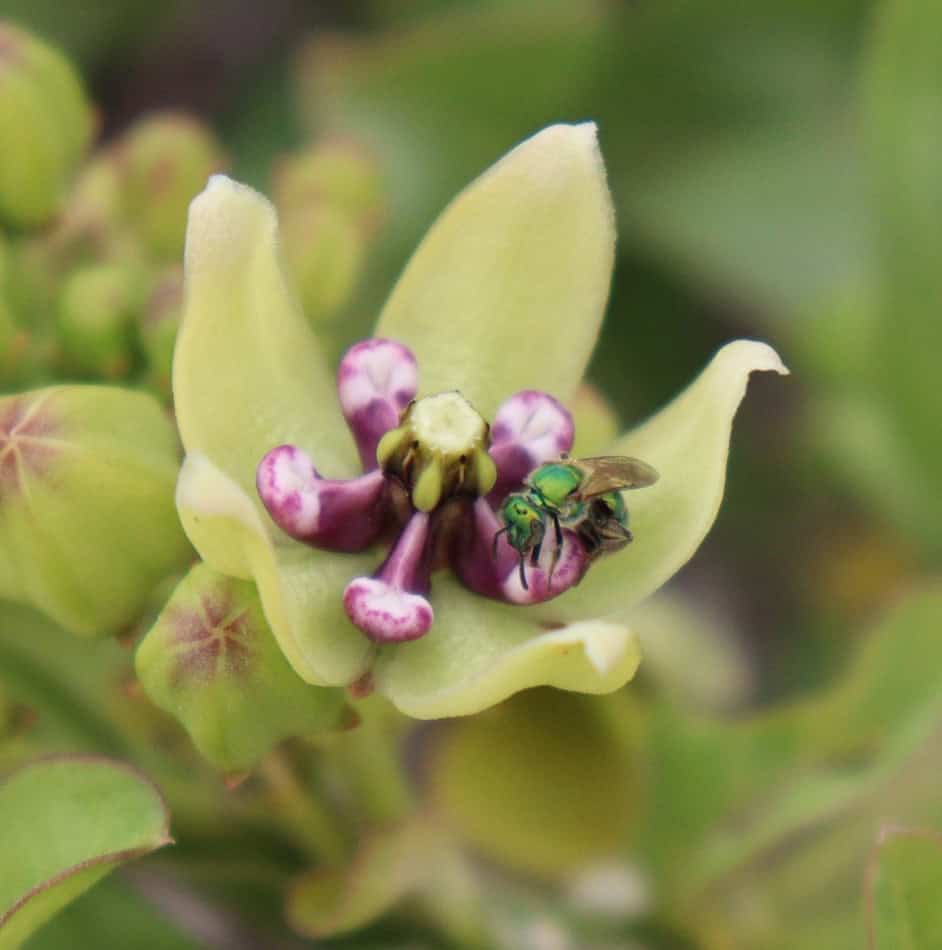
But here is the thing – if you go ask any gardener if they want to support Monarch Butterflies, they will always say yes. If you ask them if they grow milkweed to do this, many times they say no because they don’t want milkweeds spreading all over their yard. Well, this particular species will not do that! So, it’s green color means it can blend nicely with any other plant, and the fact that it won’t spread (by rhizome) basically takes away any potential drawback. Let’s face it – we could say that this is the milkweed for people who normally don’t want to grow milkweed!
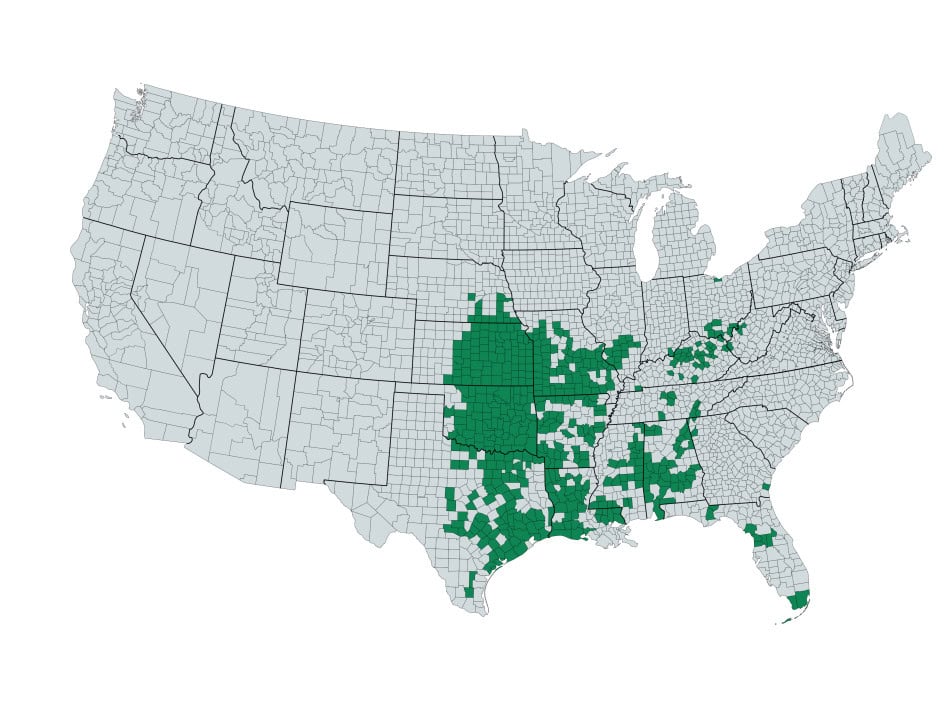
Native Range
The primary native range of Green Milkweed is the southern plains of Texas, Oklahoma, Kansas, and parts of Missouri. There are isolated pockets throughout the southern Appalachian mountains and then down into Southern Florida.
Reference Table
| Scientific Name | Asclepias viridis |
| Common Name(s) | Green Milkweed, Green Antelope Horn, Spider Milkweed |
| Native Range, USDA Zone | Southern North America |
| Bloom Time | Spring-Summer |
| Bloom Duration, Color | 4 weeks, green |
| Height | 18-30″ |
| Spacing / Spread | 12″ |
| Light Requirements | Full sun |
| Soil Types | Sandy loam to clay loam – must drain well |
| Moisture | Dry to medium-moisture |
| Fauna Associations / Larval Hosts | Bees, butterflies / Host plant for Monarch Butterflies |
Benefits
An interesting plant
The flowers of Green Milkweed, while not showy, are certainly interesting. There aren’t too many plants that produce green flowers, so that makes this one unique.
Blends with anything
The green color allows this to be used as a ‘background’ or filler. It can look good and compliment virtually any other type of flower. This is a benefit as it makes it quite versatile.
Drought tolerant
The deep taproot produced by this plant make it drought tolerant. It can take the full sun and dry conditions of Kansas/Oklahoma and Southeast Texas.
Hosts Monarch butterfly caterpillars
Like all milkweeds, this species is a host plant for Monarch Butterflies.
Doesn’t spread!
This is one of those benefits you will appreciate if you ever grew some of the milkweeds that are more aggressive! This species, Asclepias viridis does not produce rhizomes, and as such, it will only spread by seed. This plant will not pop up in the next flowerbed or in the middle of your yard!
RELATED==> 11 Species of Milkweed that don’t spread
Identification and Characteristics
Stalk
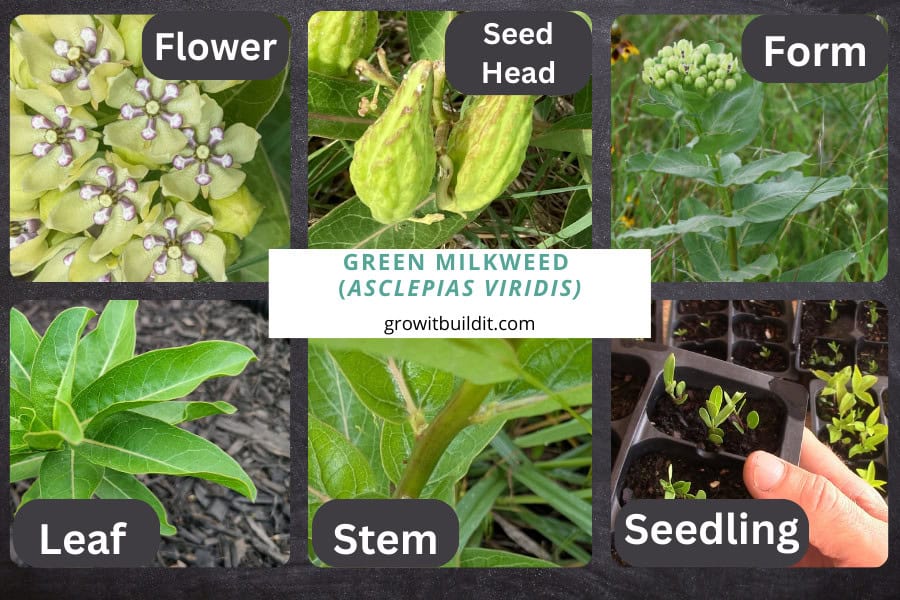
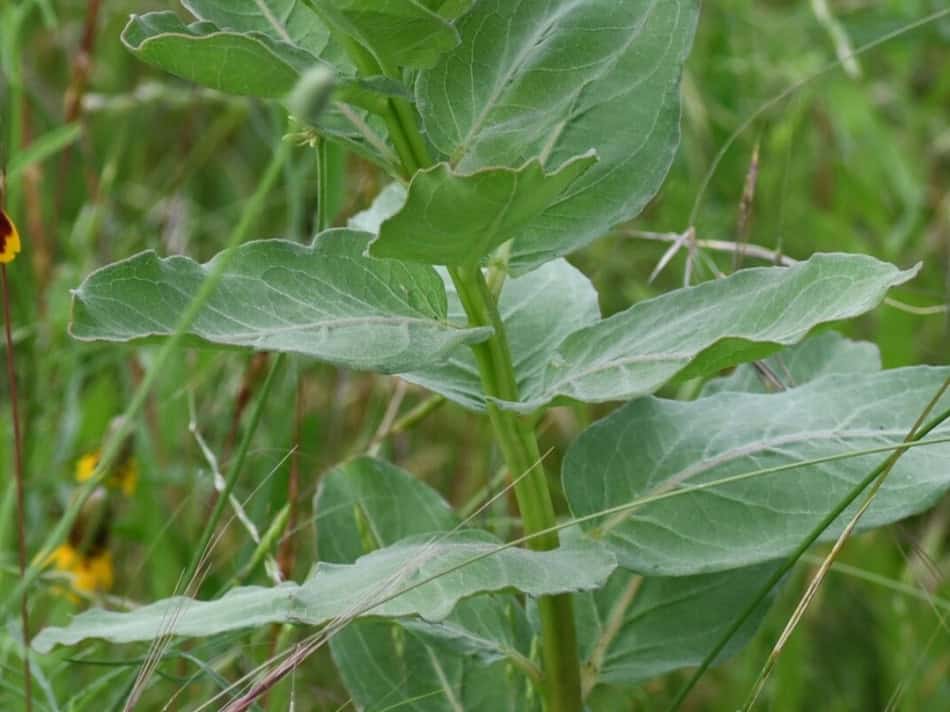
Often erect, but sometimes lying down, the stems are round, green, and may have very tiny hairs.
Leaf
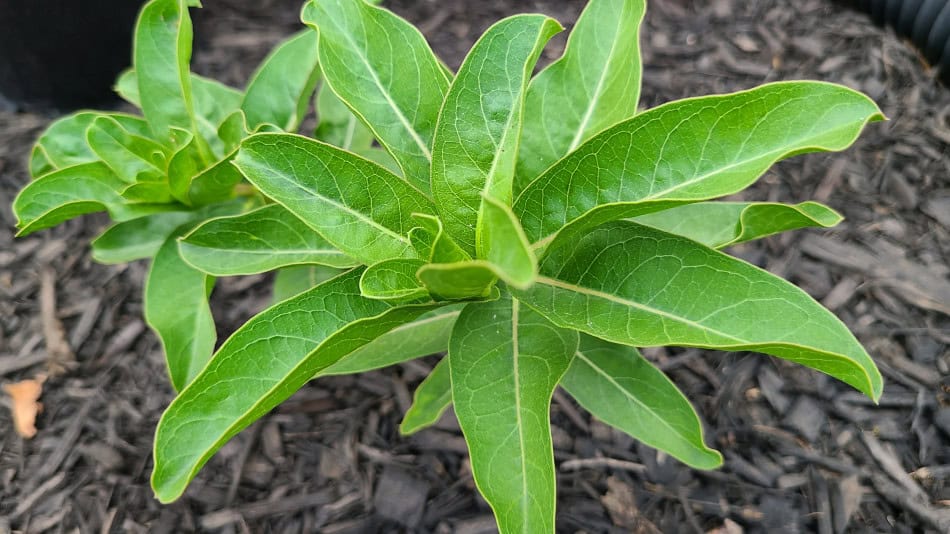
Green Milkweed has a unique feature compared to other members of the Asclepias genus in that it’s leaves are alternate to subopposite. They have stems up to 1/4″ long, and are lanceolate to oblong or oval in shape, up to 5″ long by 1-1/2″ wide with finely ciliate margins. The texture is similar to parchment paper[5].
Flower
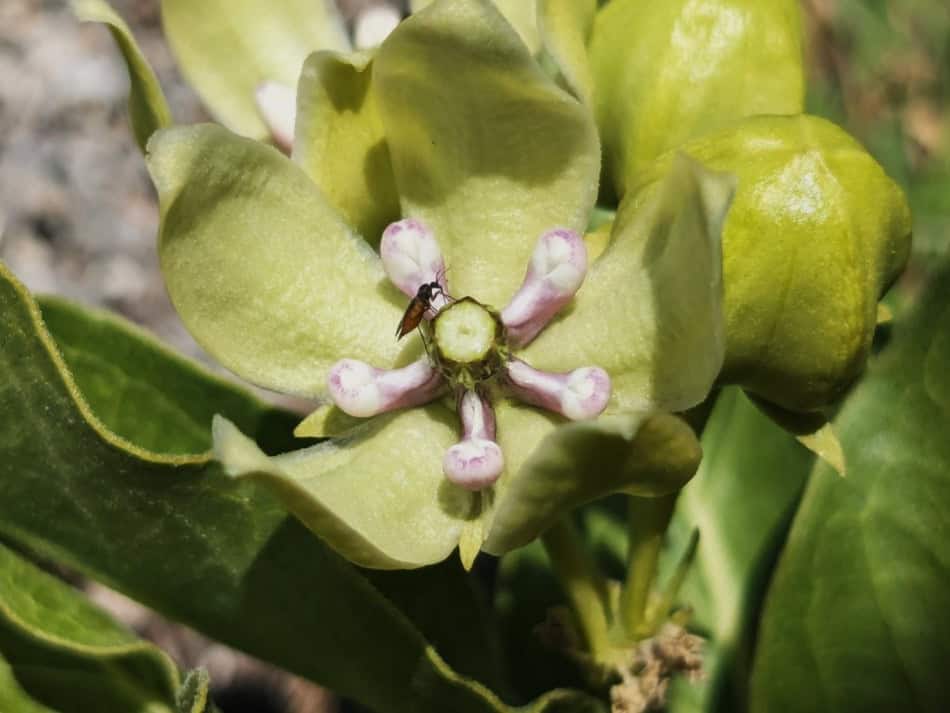
Flowers occur in a hemisphere cluster at the end of the stems. Individual flowers are up to 1″ diameter and 1/2″ long[3]. The colors are often described as green, which the petals are, but the centers will have a purple center. Six weeks after blooming the flowers will be replaced with seed pods that are smooth but wrinkled, up to 4″ long by roughly 1″ diameter.
Root
This specific species of Milkweed has a taproot. It does not spread by rhizomes.
Growing Conditions
For growing conditions, Green Milkweed will do well in full sun to partial shade, medium-moist to dry conditions in soil that drains well. It is more likely to flop in rich soils or irregular lighting, as it may ‘reach’ for the sun. And it may get root rot in soil that doesn’t drain. Learn to test your soil’s drainage here.
How to save seed
It is fairly easy to save seed from Green Milkweed, provided it sets fruit. These flowers are generally not self-compatible[8], and often only 1-2% of flowers will produce fruit[6]. Simply monitor the seed pods until they just begin to open. It helps to put a twist-tie or seed collection bag around the pod before this happens. For example, if a plant has 3-4 pods, place a twist-tie around one pod. When you notice the other pods opening, then the pod with the twist-tie is ripe, and you can collect it.
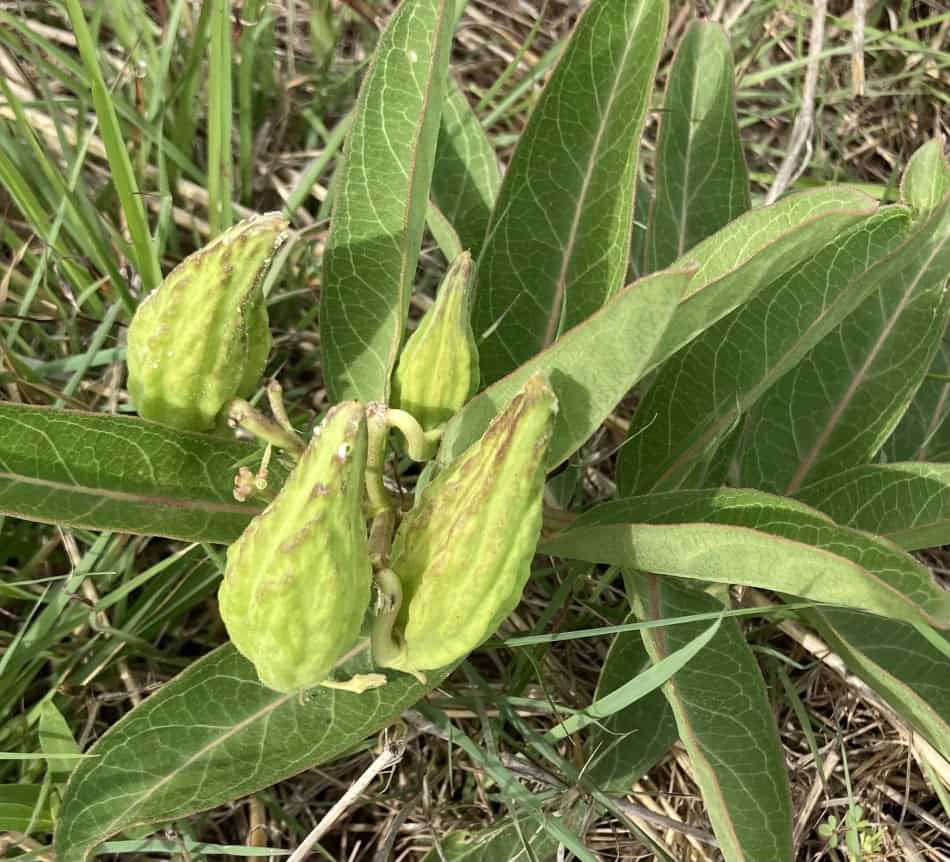
Once you have a ripe pod, rub it in-between your hands for about 30 seconds. This will force the fluff to compress. Then, open the pod, and you should be able to easily rub the seed off the fluff without making a mess. You can store dried seed in an envelope of baggy for a couple years in a cool dry place, out of direct sunlight.
How to Grow Green Milkweed from Seed
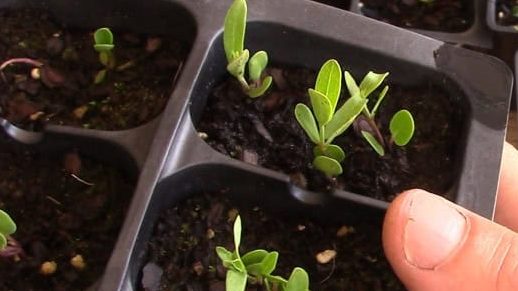
Germinating Green Milkweed seed follows the same process as pretty much all other milkweed species. The seed will benefit from a cold-moist stratification period of 30 days. It is easiest to accomplish this by winter sowing, but you can use a moist paper towel and the refrigerator too.
But for planting stratified seed or winter sowing, simply fill a suitable container with moist potting soil and tamp firm. Place 3-5 seeds on the surface, and gently press it in. Then, give the seed a dusting (and I mean a dusting) of soil. Mist with a spray bottle, and place your container in a location with morning sun and afternoon shade. The seed should germinate within a couple weeks in warm temperatures greater than 65F.
Wildlife, Pests, and Diseases associated with Green Milkweed
Pollinators
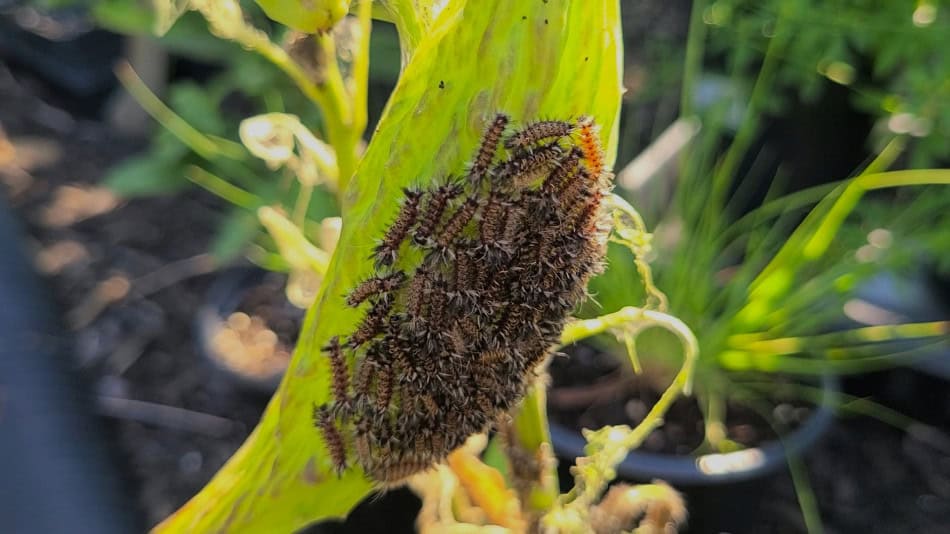
Green Milkweed is noted as being a pollinator powerhouse in that it will attract numerous species of bee and butterfly. There are a number of other insects that will feed destructively on the leaves, seed pods, and stems of Green Milkweed such as milkweed beetles (large and small) and Milkweed Stem Weevils[7].
Deer and Rabbits
Deer are known to eat the tops of Milkweed plants, and it is no different for Green Milkweed. Spray your plants with liquid fence if you wish to protect them, or until they are established.
Disease
Where you can buy Green Milkweed
Green Milkweed is not typically sold in nurseries, as it isn’t very showy. It is very interesting to look at, but not showy. But it can sometimes be purchased at specialty nurseries that deal in Native Plants. You can find native plant nurseries near you on our interactive map.
Where to buy seeds
We have ordered a variety of native flower seeds from Everwilde Farms, which you can order right from Amazon through our link on our RECOMMENDED PRODUCTS PAGE. (We may earn a small commission when you purchase through our links, at no cost to you. This helps support our website.)

Uses of Green Milkweed
Garden Uses
This is one of those plants that can go just about anywhere it gets plenty of sun, and it isn’t too wet of a location. The plant grows well with most other sun-loving plants, provided they don’t completely overtake it. And it’s neutral green color mean it can go just about anywhere.
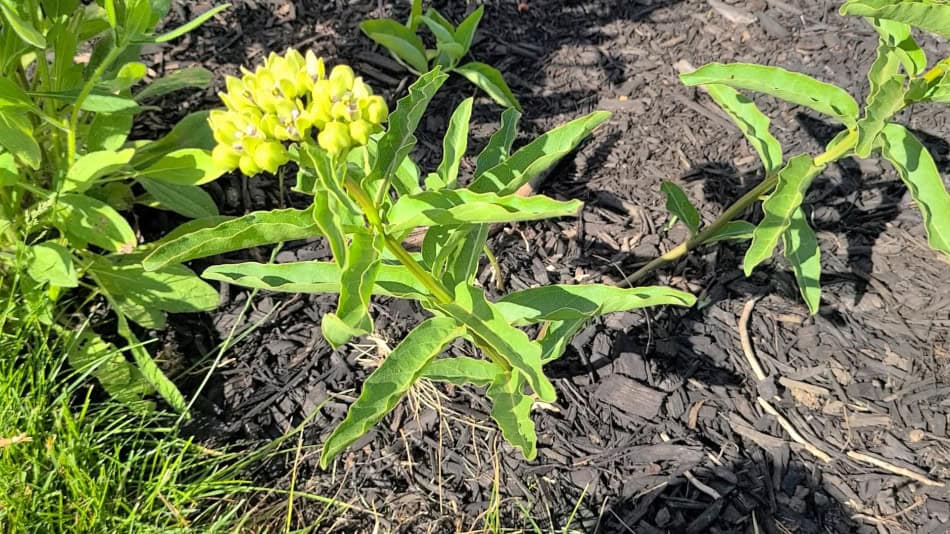
Because of that, I reccommend you grow about 3-5 specimens, close together, so that it can support Monarch Caterpillars. One single plant is not enough to raise a Monarch. You need to plan on having at least 3, but better to have even more. I’m not joking about this, as I have had to relocate caterpillars from ‘isolated’ milkweeds in my yard to my more dense patches of Butterflyweed, for example.
Companion Plants
Green Milkweed does well with other perennials and grasses that like full sun and well-draining soil. So, in short, there are tons of plants that can grow well with it! Some of my preferred:
- Grasses
- Flowers
Final Thoughts
Green Milkweed is a tough perennial that supports Monarch Butterflies. It’s visual blandness means it can go in almost any garden without upsetting the color scheme, making it particularly easy to support Monarchs! So, go buy some seed and get started already!
Find more native plants here
References:
[1] – Asclepias viridis Walter, green antelophorn, USDA NRCS. Accessed 03MAR2026.
[2] – GREEN MILKWEED Asclepias viridis Walt. Plant Guide. USDA NRCS. 2001. Accessed 03MAR2026
[3] – Green Antelopehorn (Asclepias viridis), Plant of the Week. US Forest Service. Accessed 05MAR2026
[4] – – Federal Highway Division, Ecoregional Revegetation Application (ERA)
[5] – Asclepias viridis Walter, Flora of North America. efloras.org. Accessed 06MAR2026
[6] – Liaw, Shang-Wen. “The structure of the gynostegium, breeding system, and pollination ecology of spider milkweed, Asclepias viridis Walter (Apocynaceae).” Oklahoma Native Plant Record 16.1 (2016).
[7] – Roels, Steve M. Not easy being Mead’s: comparative herbivory on three milkweeds, including threatened Mead’s milkweed (Asclepias meadii), and seedling ecology of Mead’s milkweed. Diss. University of Kansas, 2011.
Recent Posts
Keystone Plants - What Are They, And Why Are They Important?
If you've been researching native plants, you may have come across the term "Keystone Plant" or "Keystone Species". Often spoken or reverence or casually noted for their importance. So, what exactly...
Sheep Sorrel is a herbaceous perennial flower that is native to Eurasia, but established in all 50 states and most provinces of Canada. One of the most successful invasive species, it has colonized...