
So, if you are going to be spending time in the woods, or even anywhere with taller weeds you should take care to protect yourself from ticks. They cause numerous diseases like Lyme disease, and now Alpha-gal syndrome. And the problems are getting worse!
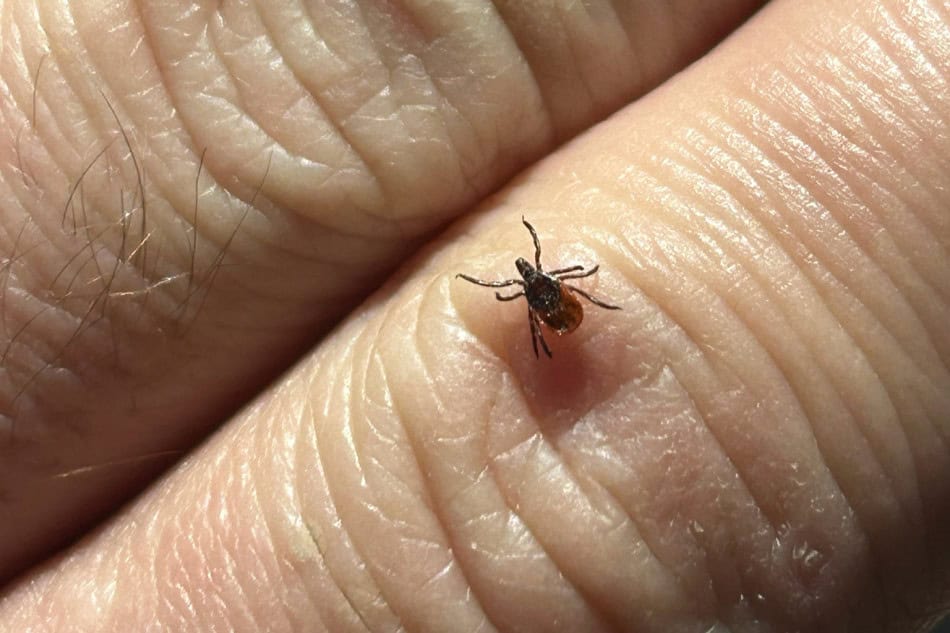
But, you can do yourself a favor by protecting yourself. I’ve compiled the below list based on what I do to keep ticks off myself, as well as other recommendations from places like the CDC. So, take a few minutes and familiarize yourself with this list, as it may just help you avoid a terrible disease.
1 – Treat your clothing with Permethrin
Outside of staying indoors, in my experience this is the single most effective strategy for keeping ticks off of you. If you pretreat your clothing with 0.5% permethrin, it will kill most ticks that even get on you or repel them. Ever since I started doing this, I have not had any ticks on me after hiking, doing yard work (in tall grass or the forest). I 100% endorse this as an extremely effective method for preventing ticks.
If my own testimony and experience isn’t enough, there are plenty of studies that have found that permethrin treated clothing is so effective in keeping ticks off of you would feel foolish for not using it. My own personal favorite is one where they had some people wear regular socks, and then another group wear permethrin treated socks. I don’t know how they convinced these people to participate, but they put a tick on their shoe and then came back 2.5 hours later to see if the tick was attached to the person, or dead. Well, the people wearing permethrin-treated socks were 73 times less likely to have a tick bite[2]!

2 – Use insect repellent that is shown to work on ticks (one that is EPA-registered)
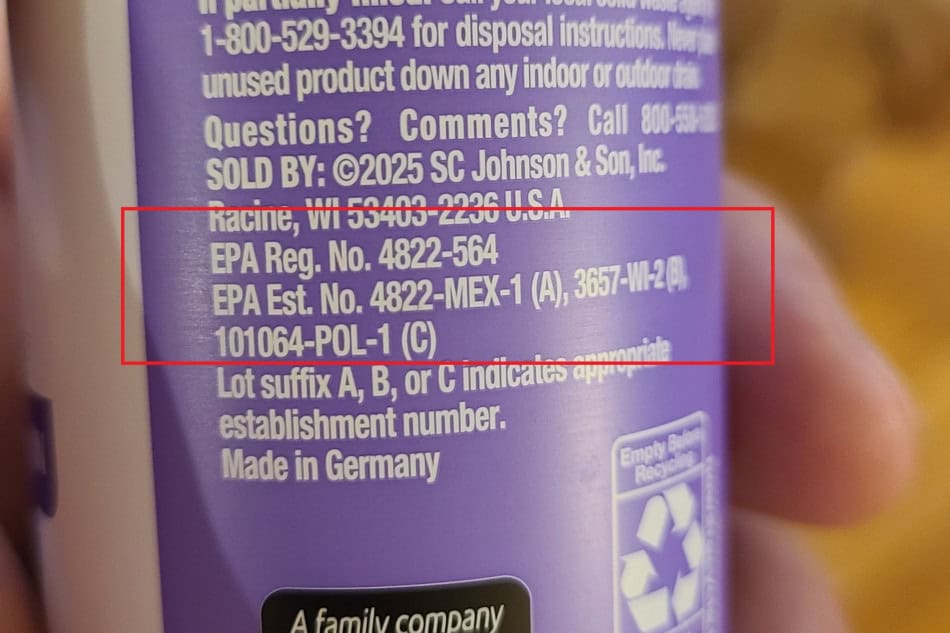
A tick prevention strategy that is on-par with treated clothing is just to use bug repellent. I mean it’s simple – make yourself smell like something they abhor. However, not just any bug repellent will do – you need one that is specifically for ticks and registered by the EPA. This will usually mean buying something with DEET or Picaridin. But the EPA does have a handy tool for determining the correct repellent based on the amount of time you will need protection, as well as what specific insect you are trying to avoid. You can access that tool here. But whatever product you choose, always make sure you follow the directions on the label.
DEET
A common repellent first developed by the army to protect soldiers from Malaria, it has been sold commercially since 1975[3][4]. And DEET, absolutely works! I can attest that I have personally seen a tick fall off my pants rather than cross a DEET barrier I put around my leg while mushroom hunting some years back.
Picaridin
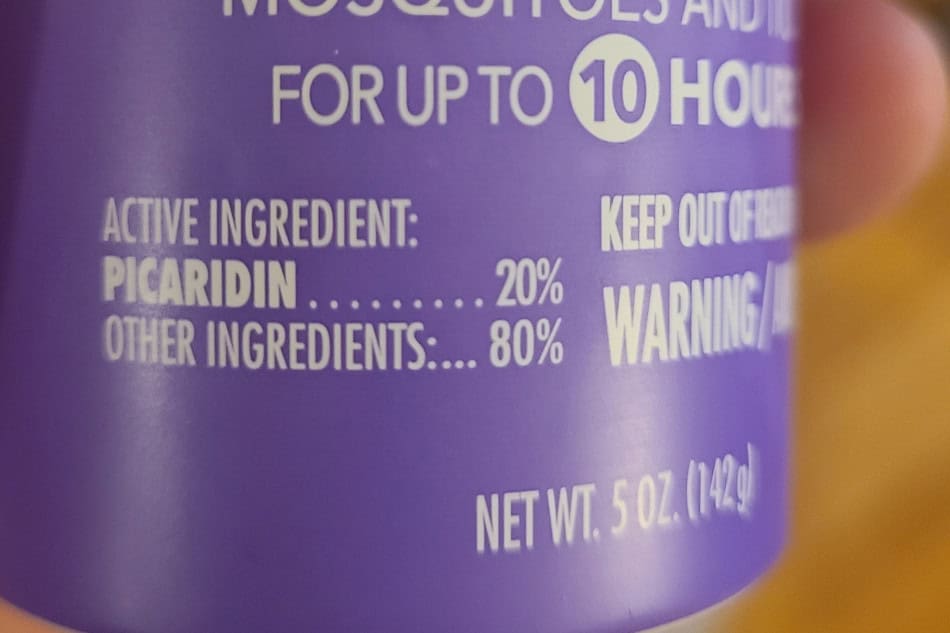
Another repellent that works great is Picaridin. It is not oil based, so it won’t stick to you forever. Anyone who has used deep woods off know that it is almost impossible to wash the smell off of you. But Picaridin has less odor and also doesn’t damage rubber, so you can spray it directly on your boots or shoes. I carry a bottle of this in my car now, so I can quickly apply it if I want to go foraging on my way home from work.
IR3535
A final chemical I’ll mention carries the ingredient IR3535 (I’m not going to type out the name….it’s long). This compound was developed in Germany in the 1970’s, and available in the United States since 1999[7]. It works well, and can even bought as a sunscreen-insect-repellent combo.
3 – Where light-colored clothes to make spotting ticks easier
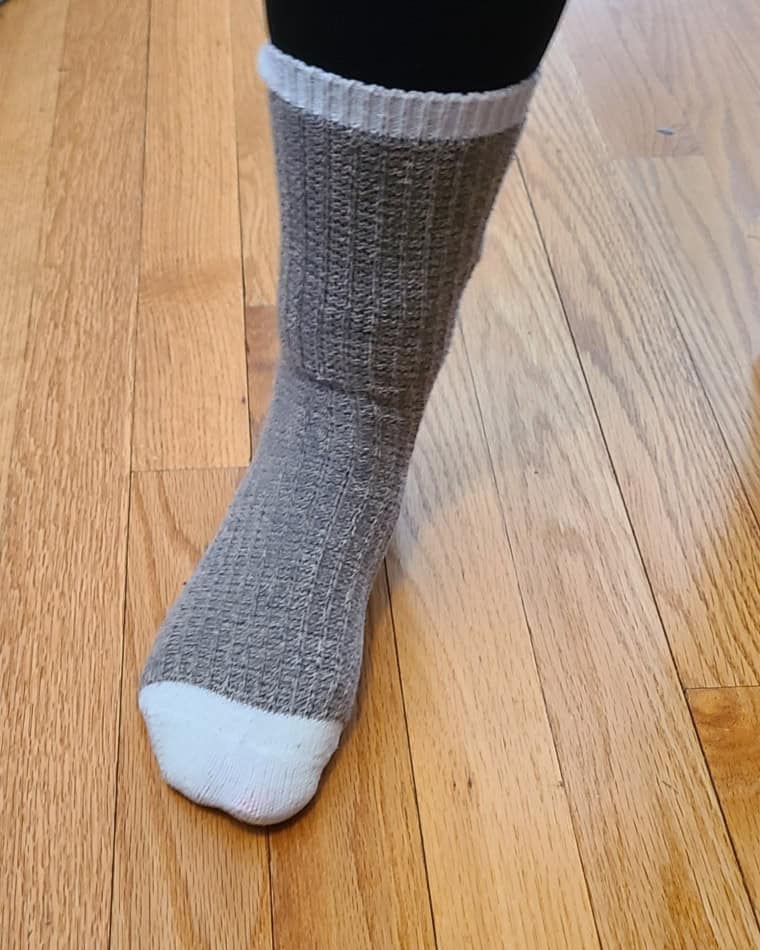
An obvious observation once you’ve considered it, wearing light colored clothing will make the dark ticks stand out against you. Thus easier to spot, and easier to remove/kill once spotted. Light gray or khaki hiking pants work well, as do white socks!
RELATED – how to deal with Ticks in the garden and yard
4 – Stay on the center of trails, avoid brushy areas
If you are on a well-troddened trail such as the Appalachain, then the less tall grass/weeds you encounter, the less likely you’ll encounter a tick. However, do not mistakenly think that because you are on a pathway that you won’t encounter a tick. I have had ticks on my legs in areas that only had leaf-litter, so protect yourself!
5 – Wear long sleeves and long pants to cover exposed skin
Light colored clothes that are long sleeved can help keep the tick off of you. This will reduce the amount of skin you have exposed.
One of the reasons ticks are successful at biting humans is that we can’t always feel them crawling on us, and they will go to an area of our body that is hidden or where we don’t notice them. My daughter has had one in her hair, I’ve had one on my inner thigh, and I’ve seen them attached to the center of my uncle’s back when I was a kid. So, if they find an entry way onto you, they can get to places you may not notice them.
6 – Tuck your pants into your socks, or use gaiters
If you tuck pants into your socks, you will prevent ticks from being able to crawl up your leg. Yes, you may look a bit silly, but better to look silly rather than have Lyme disease!
7 – As you are hiking, periodically check yourself
If you’re hiking, picnicking, or just enjoying the outdoors, periodically check yourself for ticks. When I hike, often when I take a water break I will scan my legs/shoes/socks to see if I have any unwanted hitchhikers. Ticks can crawl much faster than people realize, and if you can catch them on the move, well, that’s better than extracting an attached tick!
8 – Check yourself thoroughly for ticks when you get indoors
This step is a good idea no matter what. Even if you wore treated clothes, used bug spray, etc. Just look yourself over. Get a handheld mirror, go to the bathroom and check yourself for ticks. Be thorough, and know that nymphs are extremely tiny! Below is a picture of a tick on my hand. This is a nymph, and they are extremely small!
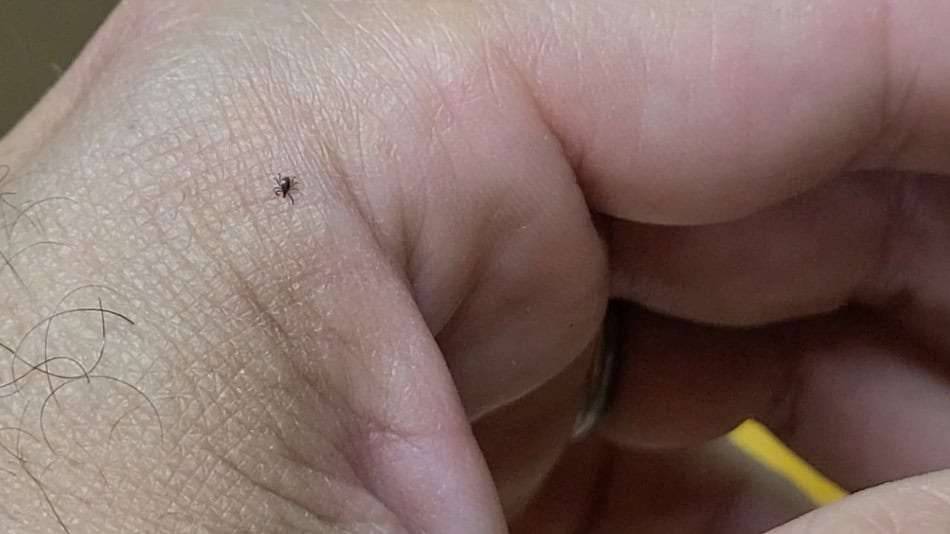
9 – Shower after you get indoors
A shower not only washes away sweat, but can also wash away unattached ticks. So, it is a good idea to rinse off after spending a day in the woods.
10 – If you find a tick, remove it quickly and have it tested
If you do find a tick attached to you you should remove it right away with tweezers. Just grip as close to your skin as you can, and pull. It is not a fun job, and they are surprisingly hard to remove. But you can save the tick and send it to a state or university lab for testing. I’m in Pennsylvania, and can send away ticks in a baggy to East Stroudsburg University.
Fine more gardening tips here
References:
[1] – https://www.cdc.gov/ I linked to specific pages of the CDC’s website numerous times throughout. They were a very important resource for trusted information regarding ticks.
[2] – Miller, Nathan J., et al. “Tick bite protection with permethrin-treated summer-weight clothing.” Journal of medical entomology 48.2 (2011): 327-333.
[3]- Jackson, D.; Luukinen, B.; Buhl, K.; Stone, D. 2008. DEET General Fact Sheet; National Pesticide Information Center, Oregon State University Extension Services. npic.orst.edu/factsheets/DEETgen.html.
[4] – Connelly, C. Roxanne, and John E. Gimnig. “
[5] – Insect repellents: Components and risks, National Poison Control Center. Accessed 20MAY2026
[6] – Picaridin, National Pesticide Information Center. Accessed 20MAY2026
[7] – IR3535 Insect Repellent, fleascience.com. Accessed 09OCT2026
Recent Posts
At some point in your life, you are going to have to loosen a rusted, stuck, or seized screw. It is almost guaranteed! So, depending on the situation, one of these will work. I've noticed that lots...
October 6th, 2026 Do you ever feel overwhelmed by the amount of chores that come with gardening? Ever miss a planting window because you forgot? Are you a total beginner at gardening and don't...