
Sheep Sorrel is a herbaceous perennial flower that is native to Eurasia, but established in all 50 states and most provinces of Canada. One of the most successful invasive species, it has colonized all 50 states and most Canadian Provinces. Scientifically known as Rumex acetosella, it grows up from a basal rosette of leaves and blooms pretty little red flowers, reaching heights of 9-18″ in full sun and acidic soil. Unlike most invasives, this one does have a few redeeming qualities as it hosts several caterpillars. But let’s have a closer look at this little plant, as you will undoubtedly encounter it sometime, even if it just seems to blend into the background.
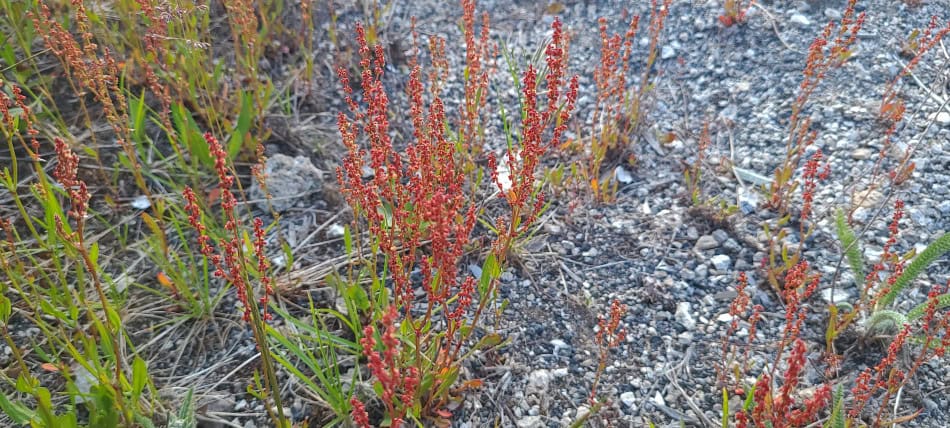
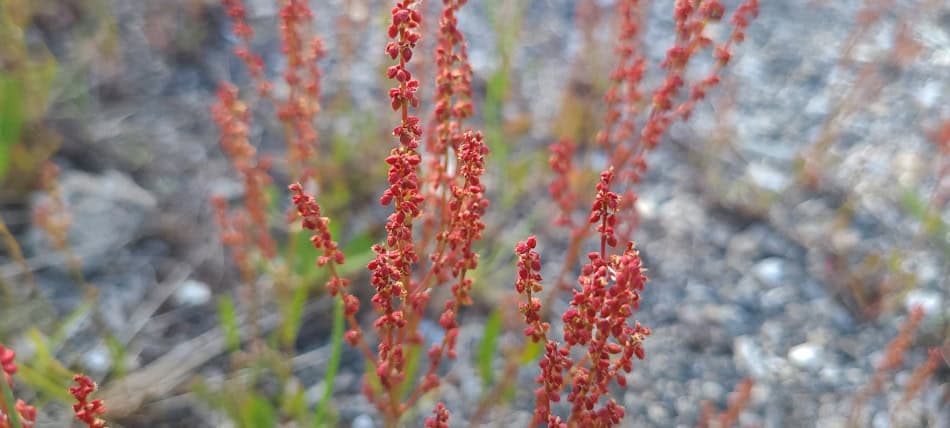
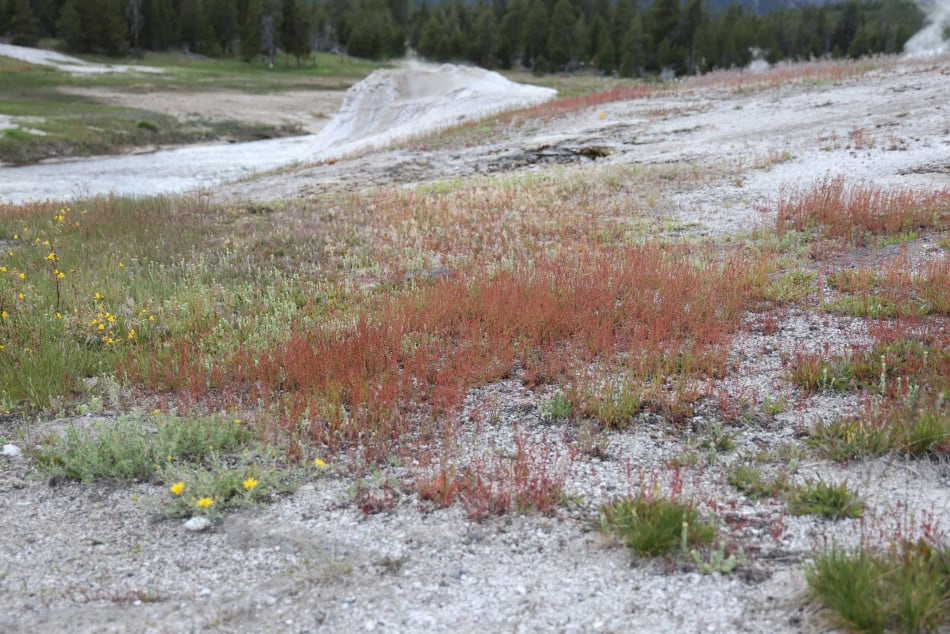
I first knowingly encountered Sheep Sorrel on a vacation to Yellowstone National Park. While touring the geyser basins near Old Faithful, I noticed a pretty red hue off trail. It looked almost like some low growing grass in bloom. Upon closer inspection (and the use of some references) I was able to confirm it was unfortunately not one of the many unique native plants in Yellowstone, but instead one of the most prolific invaders the world has ever known!
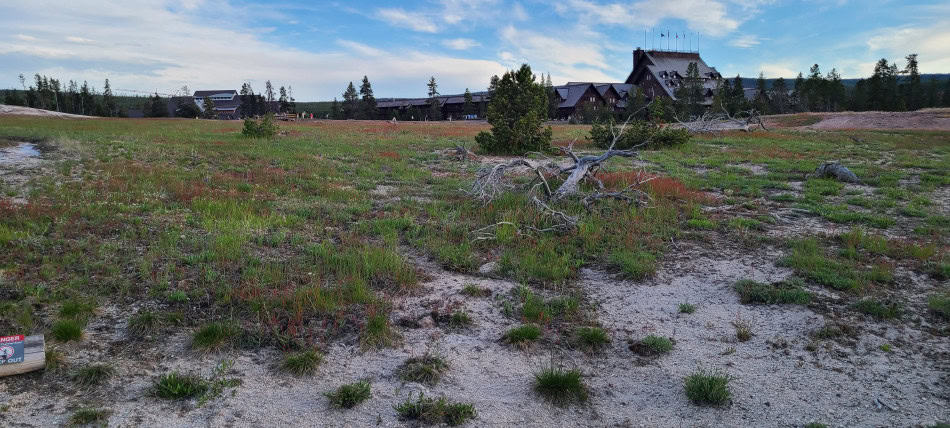
This plant is known for liking acidic soil, so hey – why not the geyser basin and it’s extreme harsh conditions? It must be adaptable as the pH of most geysers is alkaline, not acidic. There certainly isn’t that much competition there right? But even still, it is disappointing to know that invasives have even colonized some of our most treasured places.
Reference Table
| Scientific Name | Rumex acetosella |
| Common Name(s) | Common Sorrel, Sheep Sorrel, Red Sorrel, Field Sorrel |
| Native Range, USDA Zone | Native to Eurasia. |
| Bloom Time | March through September |
| Bloom Duration, Color | 4-6 weeks, red |
| Height | 12-18″ |
| Spacing / Spread | N/A |
| Light Requirements | Full to partial sun |
| Soil Types | Acidic, gravel or clay |
| Moisture | Dry to medium |
| Fauna Associations / Larval Hosts | Multiple insects and one caterpillar feed on the foliage. |
Identification and Characteristics
Stalk
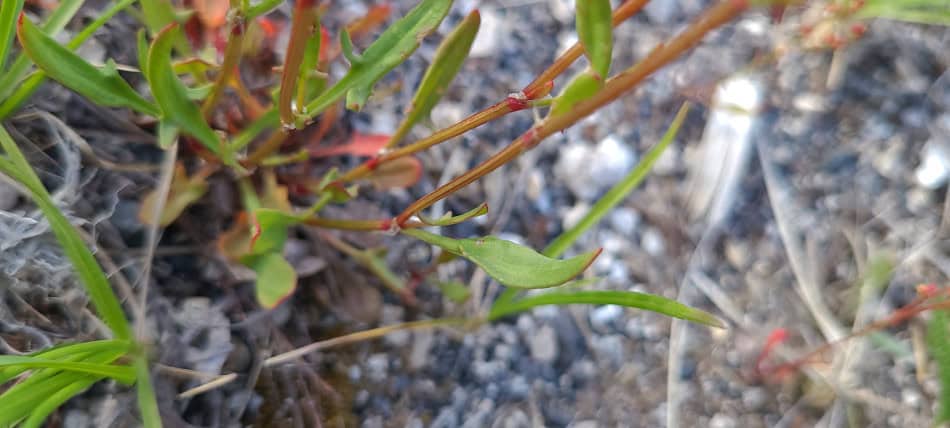
The stem is usually erect, reaching 9-18″ tall. It’s cross section is often angled, however it is not in the mint family. It will be medium green and may or may not have vertical lines of red to black.
Leaf
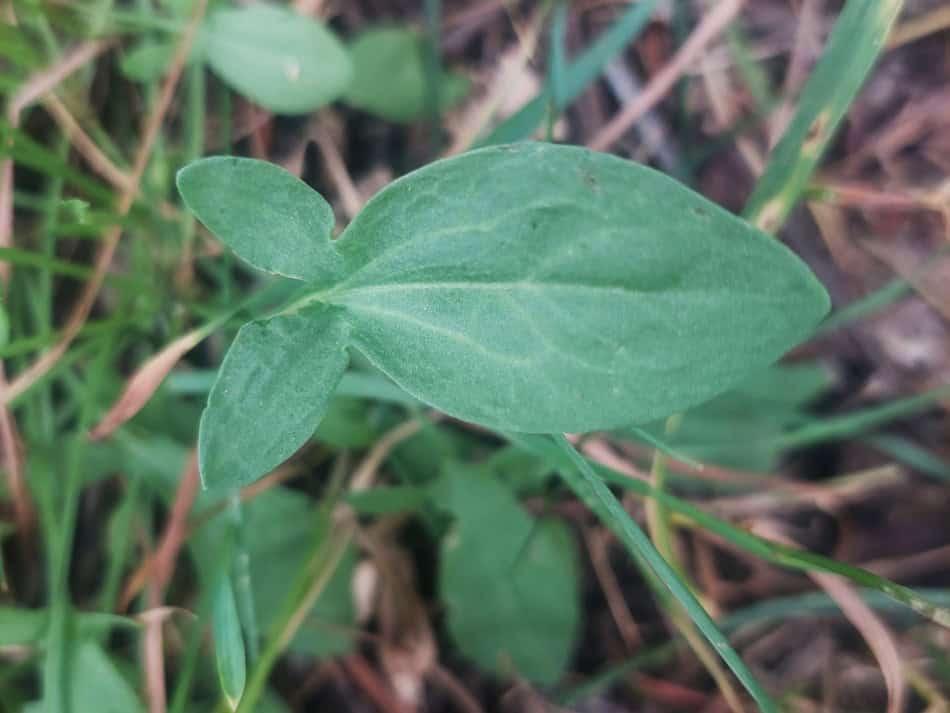
There will be a basal rosette up to 6″ diameter. Individual basal leaves are up to 1-1/2″ long and wide on a 1-1.5″ long petiole. In shape it is hastate (arrow shaped, but with two spreading lobes at the base). This is a distinct shape that usually removes any doubt as to the identification of the plant. Stalks may have alternate leaves of the same characteristics, but of smaller shape.
Flower
Flowers occur in a panicle at the end of the stalk with racemes of tiny flowers. Plants are either fully male or female, and you need to inspect for anthers (male) or pistil / style (female).
Root
The root system is a shallow taproot with long rhizomes, which spread the plant vegetatively.
How to control
As much as I hate using herbicides, the rhizome system of this plant make it very difficult to eradicate via mechanical means. The rhizomes are small/thin, and thus easy to lose and break. It only takes a small piece of rhizome to resprout a plant. But general broadleaf herbicides will work to kill this plant. I would recommend a standard dilution of triclopyr as that herbicide breaks down relatively quickly (~ 6 months in the soil).
Growing Conditions
This flower does best in full to partial sun, dry to medium-moist soil, and acidic soil.
Wildlife, Pests, and Diseases associated with PLANT
Pollinators
Although it produces flowers, it doesn’t really attract many pollinators as they are primarily wind pollinated. So, it is likely that they just don’t produce much (if any) nectar. However the leaves do feed several insects including the caterpillaro f hte American Copper butterfly, several beetles, weevils, and some katydids & grasshoppers.
Birds
The seeds are eaten by several songbirds like sparrows, grouse, and turkey.
Deer and Rabbits
Rabbits are known to eat the leaves of this plant, as are several other mammals. This plant is browsed by Mule Deer as well.
Final Thoughts
Sheep Sorrel is a highly invasive plant that has found it’s way into seemingly every corner of North America. It’s has a knack for growing in harsh conditions and being highly aggressive, yet it is not immune from being outcompeted by taller plants.
Find more native plants here
References:
[1] – Rumex acetosella L. USDA NRCS.
[2] – Sheep Sorrel, US Forest Service. Fire Effects Information System (FEIS). Accessed 23FEB2026.
Recent Posts
When it comes time to build a garden, most people are faced with the chore to remove the grass. And there are many methods that will work for doing so. But, as the title of this article questions,...
Green Milkweed is a herbaceous wildflower native to North America[1], and is a host plant for caterpillars of the Monarch Butterfly[2]. Scientifically known as Asclepias viridis, it grows up to...