
When it comes time to build a garden, most people are faced with the chore to remove the grass. And there are many methods that will work for doing so. But, as the title of this article questions, will using a rototiller churn up a bunch of weed seeds causing you more problems?
Many sources and forums on the internet will tell you not to till to avoid churning up weed seeds to the surface. In fact, you can find references from reputable sources stating exactly that information. Both the Xerces society and Ernst seed even state on their websites that deep tilling will turn up weed seeds, potentially creating more problems for the gardener.
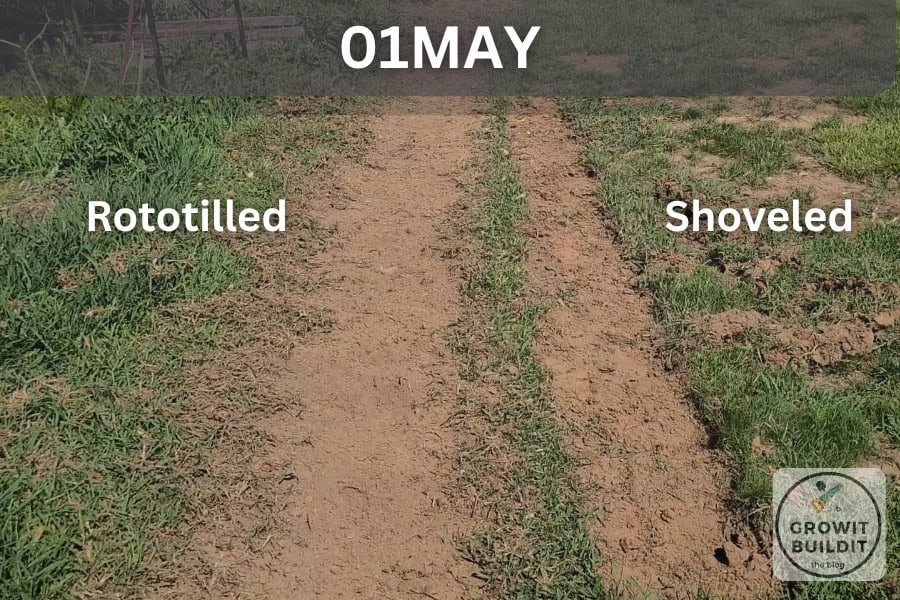
Now, I’m no stranger to building flower beds or gardens. But tilling is one method I have often shied away from due to this assumption, based on reputable sources that I would just be making more work for myself in the long term. But last year, I finally decided to test this theory and see if it would happen. So I made a little case study, or experiment if you will.
The method
So, I needed a place to do this, and my father in-law was kind enough to let me tear up a strip of grass in his backyard. I took his old beast of a rototiller (1970’s Troy Built) and tilled a single strip.
I made five full passes, until the ground seemed churned up enough. I tilled down about 3-4″ (10 cm).
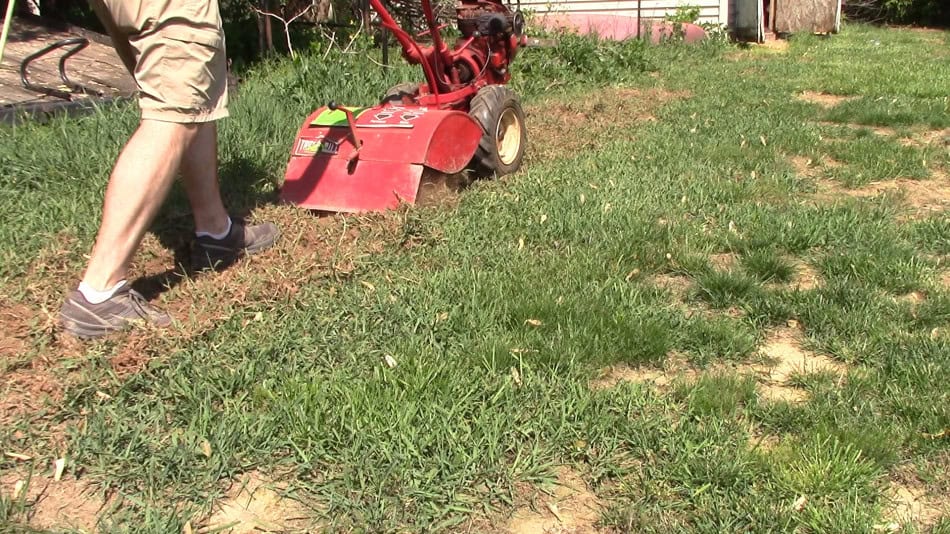
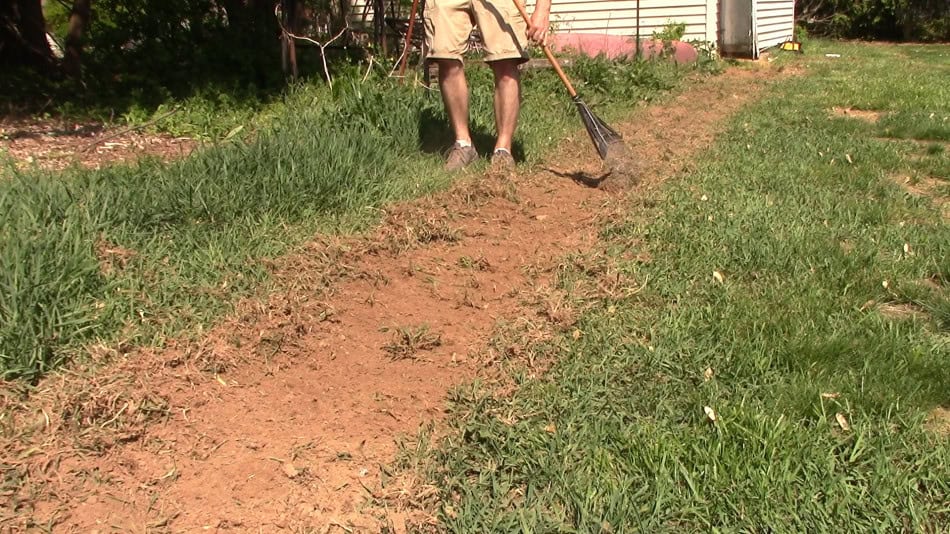
I raked away all of the loose grass. During this I did notice that I missed a few plants. I manually tried to pull them, taking care to get the root crown.
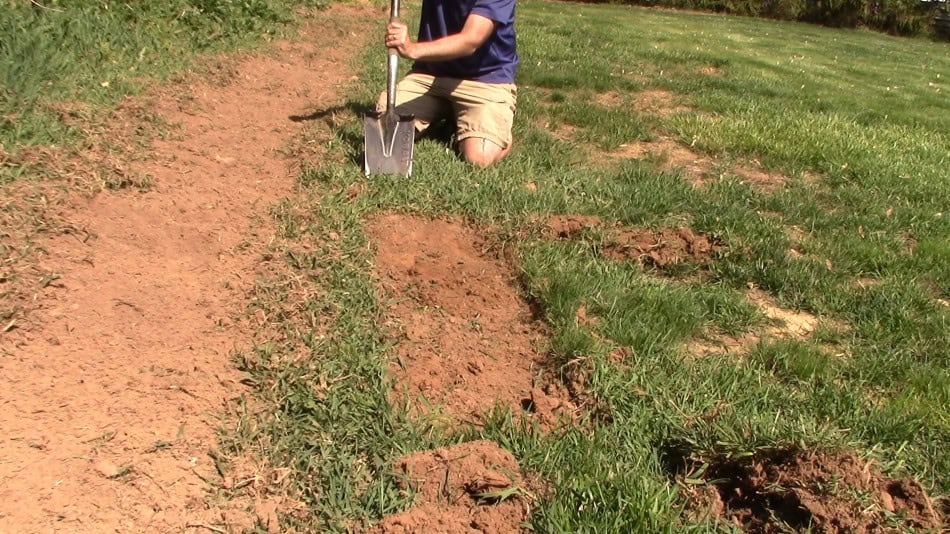
Right next to this strip I decided to make another test. I used a flat garden spade to make another strip, removing the grass with this patented method.
I made the strip 12″ wide, and 20′ long (approximately).
Based on past experience, I was confident that the shovel method would not produce many (if any weeds). I’ve used this method for years and it has been effective. In fact the shovel method and sheet mulching are probably my favorite methods for removing grass. But based on all the things I had read and been told on Facebook and reddit made me think the tiller would just make a strip of weeds.
The results
After clearing the grass, I did nothing else. I just left the strips and returned a couple times to check and see how they were doing. And in short, the grass just reclaimed the land. There was no explosion of weeds. I have a video that will release soon that documents the entire experiment quite well. But until then, please use the collage below for proof of my claims.
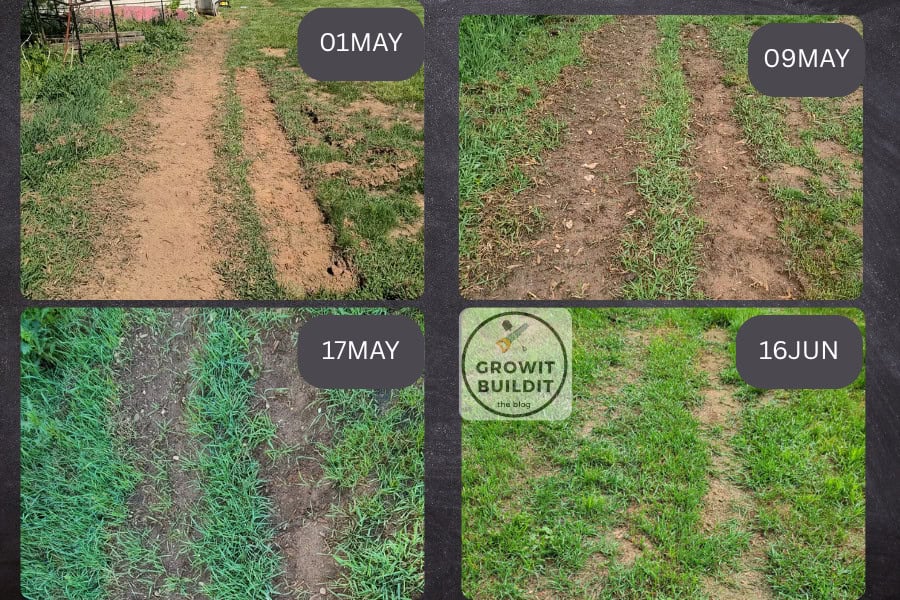
I cleared the strips on 01MAY, and returned three times to document the results. Forgive my poor picture on 17MAY, as I didn’t get a good vertical shot (sorry). But you can clearly see that after six weeks, without intervention the tilled section just looked like patchy grass. And the shoveled strip was on it’s way to getting reclaimed as well. Yes, mulch would have helped slow the reconquest of grass, but I just wanted to make an attempt to see what would happen if nothing was done.
Conclusion
So, while there are many reputable sources that state tilling will revive a seed bank and result in lots of weed seed germination, I have to say, that just didn’t happen in my experiment. So, from what I could see, nothing much germinated after the clearing of sod by both the shovel and the rototiller.
The main thing to note in my results though – is that while I did not see any explosion of weed seeds, the main thing that happened was the grass continued to grow and creep back into the open ground. This was due to two reasons, first, my tilling was not perfect (as the results show). So there were isolated grass plants that stayed behind that I missed. And these plants did what plants do in the spring – they grew.
Second, was that both the tilled and shoveled strips were facing pressure from grass creeping back into the bare ground. This is it’s nature, and it will happen as the various plants of nature battle for all available sunlight. So, an important lesson here is that no matter what kind of flower bed you make – you need to make an edge! Either bury a barrier, or do my method for creating the ‘air wall’, aka a proper edge that will stop most grass rhizomes from creeping into flowerbeds and gardens.
Find more gardening tips here
Recent Posts
Green Milkweed is a herbaceous wildflower native to North America[1], and is a host plant for caterpillars of the Monarch Butterfly[2]. Scientifically known as Asclepias viridis, it grows up to...
Keystone Plants - What Are They, And Why Are They Important?
If you've been researching native plants, you may have come across the term "Keystone Plant" or "Keystone Species". Often spoken or reverence or casually noted for their importance. So, what exactly...